
The hidden risks of the one-person social media team
Nick Della Bosca.
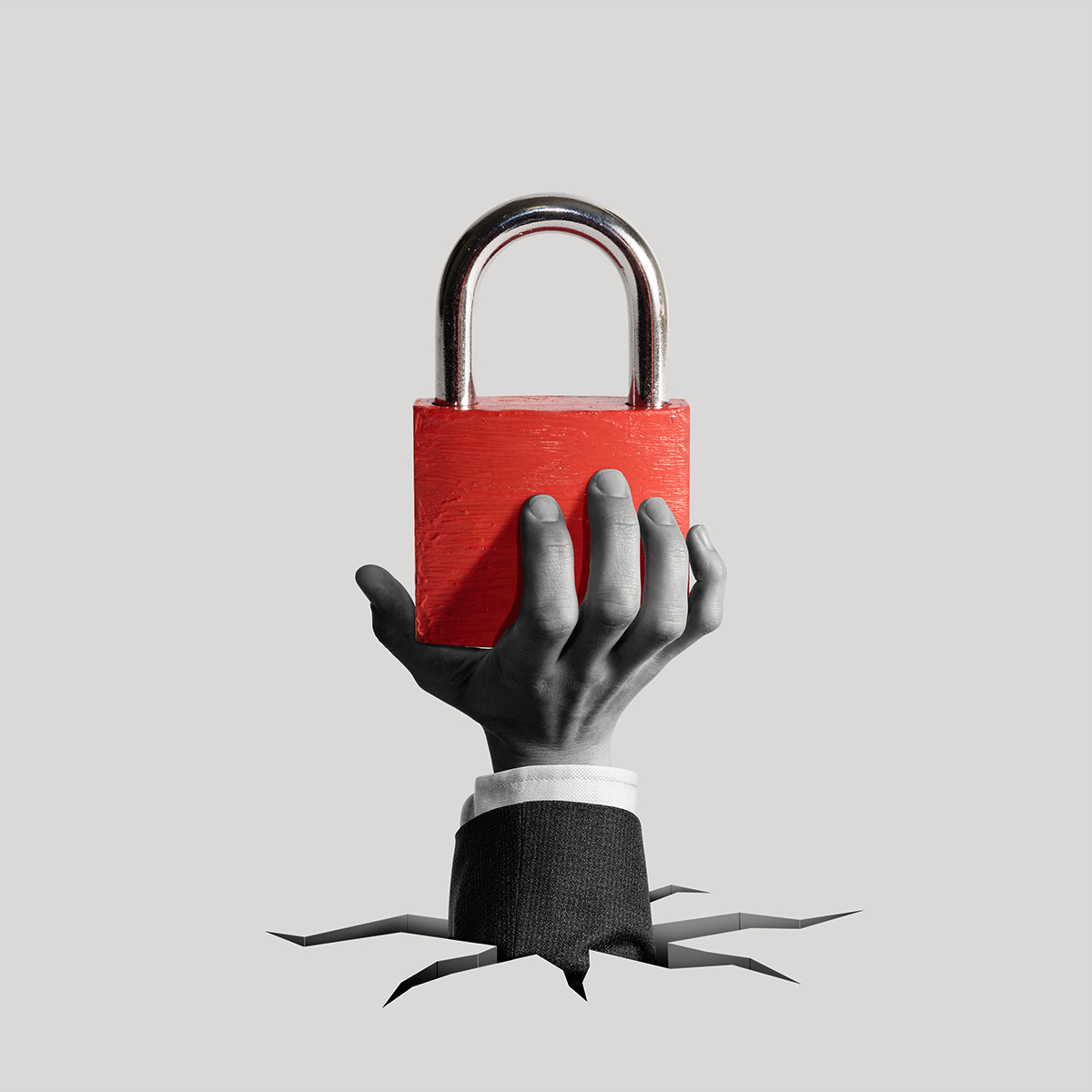
Everyone can see the risks of the one-person team. But there’s a deeper structural problem. Organisations create these roles where the full scope cannot fit inside one person.
It seems so simple to think you need someone who can strategise, write content, design, create paid media etc and simply hide behind the “unicorn” label. But the unspoken conversation is the designed burnout.
It’s not just the capability and skillset someone needs to have, but the amount of responsibility. The sheer volume of tasks someone needs to complete and own. There’s no parallelisation, no things running side by side. Just… one person who needs to own, curate and manage a dozen processes at once.
And that is something we all need to take responsibility for. For many teams, this might mean taking a more realistic view on what those costs are. Salary is one expense, but things like paying for a subscription to a tool, or outsourcing some of the work to freelancers and professionals still means you’re getting things done, without assuming it all needs to sit on the same shoulders.
It’s easy to balk at the cost of editing a video or having photo shoots done. But you’re far more likely to feel the pinch when you have to recruit for the third time in 2 years, or your social posts stop converting because you’ve stretched someone too far. Having your business expert and someone with all your domain knowledge leading someone else is still going to deliver the right result.
And so with that out of the way, and hopefully some food for thought. Let’s dig in.
The one person team presents two kinds of risks. Risks to you, and risks to them.
Risks to the business
No coverage during annual leave or illness – There are times when they’re simply not available. Are you prepared for it?
Evenings, weekends, and emergencies – This applies at the micro scale too. How will you have someone available on a regular basis, for lots of little gaps?
No second set of experienced eyes – Whether it’s about scheduled content, handling a crisis or a dozen other kinds of judgement calls, it means there’s a single person with the localised knowledge needed. They’ll always have business support, but some decisions need that specialist expertise.
Response gaps and prioritisation – With only one person in the seat, things need to be prioritised. And that’s going to mean that sometimes urgent, sensitive or high-value conversations can sit amongst routine work. With only one person deciding what moves first, it’s not about skill, or even desire, attention is a finite resource.
Knowledge and access sit with one person – It’s a single point for all of your tools, process, information and access to platforms. What happens when someone leaves? Gets sick? Things turn sour? Or someone is incapacitated?

Risks to the person
Always on call – It’s a lot of things on your shoulders. And a lot of time to always be the one that needs to be available.
Unable to take leave cleanly – It’s easy to say “schedule content” to cover leave. But someone still needs to manage replies, spam and engagement. And you never know when the state of the world could change and turn a fun post, into a PR crisis.
Carrying difficulty alone – Being the only one involved in tough conversations puts them all on someone’s plate. It means one person sees them all, sorts, tags and collates them. It can be a lot of negativity to face alone.
Facing high risk decisions alone – Making decisions is a cognitive cost, and when you’re working alone there’s no one else to step in. You’re the one holding all the blocks, and keeping them stacked.
Owning everything without ownership – Social channels are a common way for issues to be raised. Especially issues that are unresolved. Meaning your solo social team is taking on the complaint load and ownership for half the issues the business doesn’t own. Everything without ownership is now a customer issue, and a business issue, and they own both.
Burnout becomes a feature of the role – This kind of structure isn’t accidentally burning people out, it’s practically built into the plan.
Our people need to matter.
The answer isn’t complex, but it is work. It’s not necessarily hiring a larger team. But it is about recognising that even a single-person team needs backup, boundaries, escalation pathways and coverage. It’s about making sure you have processes and structure in place to allow your social media person to be the voice of the customer, without having to be responsible for them too.
One person can own the function without being expected to carry it alone.